Subha Muhurtham dates 2026
List of Subha Muhurtham dates in 2026
| DATE | DAY | NOTE | TAMIL DATE |
|---|
| 28, January, 2026 | Wednesday | (Valarpirai) | 15, Thai |
| 6, February, 2026 | Friday | | 24, Thai |
| 8, February, 2026 | Sunday | | 26, Thai |
| 13, February, 2026 | Friday | | 1, Maasi |
| 15, February, 2026 | Sunday | | 3, Maasi |
| 16, February, 2026 | Monday | | 4, Maasi |
| 20, February, 2026 | Friday | (Valarpirai) | 8, Maasi |
| 22, February, 2026 | Sunday | (Valarpirai) | 10, Maasi |
| 5, March, 2026 | Thursday | | 21, Maasi |
| 6, March, 2026 | Friday | | 22, Maasi |
| 8, March, 2026 | Sunday | | 24, Maasi |
| 15, March, 2026 | Sunday | | 1, Panguni |
| 16, March, 2026 | Monday | | 2, Panguni |
| 25, March, 2026 | Wednesday | (Valarpirai) | 11, Panguni |
| 1, April, 2026 | Wednesday | (Valarpirai) | 18, Panguni |
| 3, April, 2026 | Friday | | 20, Panguni |
| 6, April, 2026 | Monday | | 23, Panguni |
| 12, April, 2026 | Sunday | | 29, Panguni |
| 13, April, 2026 | Monday | | 30, Panguni |
| 16, April, 2026 | Thursday | | 3, Chithirai |
| 20, April, 2026 | Monday | (Valarpirai) | 7, Chithirai |
| 23, April, 2026 | Thursday | (Valarpirai) | 10, Chithirai |
| 30, April, 2026 | Thursday | (Valarpirai) | 17, Chithirai |
| 8, May, 2026 | Friday | | 25, Chithirai |
| 13, May, 2026 | Wednesday | | 30, Chithirai |
| 14, May, 2026 | Thursday | | 31, Chithirai |
| 15, May, 2026 | Friday | | 1, Vaigasi |
| 18, May, 2026 | Monday | (Valarpirai) | 4, Vaigasi |
| 25, May, 2026 | Monday | (Valarpirai) | 11, Vaigasi |
| 28, May, 2026 | Thursday | (Valarpirai) | 14, Vaigasi |
| 29, May, 2026 | Friday | (Valarpirai) | 15, Vaigasi |
| 4, June, 2026 | Thursday | | 21, Vaigasi |
| 7, June, 2026 | Sunday | | 24, Vaigasi |
| 17, June, 2026 | Wednesday | (Valarpirai) | 3, Aani |
| 18, June, 2026 | Thursday | (Valarpirai) | 4, Aani |
| 24, June, 2026 | Wednesday | (Valarpirai) | 10, Aani |
| 25, June, 2026 | Thursday | (Valarpirai) | 11, Aani |
| 1, July, 2026 | Wednesday | | 17, Aani |
| 2, July, 2026 | Thursday | | 18, Aani |
| 5, July, 2026 | Sunday | | 21, Aani |
| 12, July, 2026 | Sunday | | 28, Aani |
| 23, August, 2026 | Sunday | (Valarpirai) | 7, Aavani |
| 28, August, 2026 | Friday | | 12, Aavani |
| 30, August, 2026 | Sunday | | 14, Aavani |
| 31, August, 2026 | Monday | | 15, Aavani |
| 7, September, 2026 | Monday | | 22, Aavani |
| 13, September, 2026 | Sunday | (Valarpirai) | 28, Aavani |
| 17, September, 2026 | Thursday | (Valarpirai) | 1, Purattasi |
| 25, October, 2026 | Sunday | (Valarpirai) | 8, Aippasi |
| 30, October, 2026 | Friday | | 13, Aippasi |
| 1, November, 2026 | Sunday | | 15, Aippasi |
| 11, November, 2026 | Wednesday | (Valarpirai) | 25, Aippasi |
| 13, November, 2026 | Friday | (Valarpirai) | 27, Aippasi |
| 15, November, 2026 | Sunday | (Valarpirai) | 29, Aippasi |
| 16, November, 2026 | Monday | (Valarpirai) | 30, Aippasi |
| 20, November, 2026 | Friday | (Valarpirai) | 4, Karthikai |
| 29, November, 2026 | Sunday | | 13, Karthikai |
| 4, December, 2026 | Friday | | 18, Karthikai |
| 6, December, 2026 | Sunday | | 20, Karthikai |
| 10, December, 2026 | Thursday | (Valarpirai) | 24, Karthikai |
| 13, December, 2026 | Sunday | (Valarpirai) | 27, Karthikai |
| 14, December, 2026 | Monday | (Valarpirai) | 28, Karthikai |
Subha Muhurtham Dates for 2026
What are the Muhurtham dates in January 2026
January Subha Muhurtham dates are:
-
28 January,
2026 (Wednesday)
What are the Muhurtham dates in February 2026
February Subha Muhurtham dates are:
-
6 February,
2026 (Friday)
-
8 February,
2026 (Sunday)
-
13 February,
2026 (Friday)
-
15 February,
2026 (Sunday)
-
16 February,
2026 (Monday)
-
20 February,
2026 (Friday)
-
22 February,
2026 (Sunday)
What are the Muhurtham dates in March 2026
March Subha Muhurtham dates are:
-
5 March,
2026 (Thursday)
-
6 March,
2026 (Friday)
-
8 March,
2026 (Sunday)
-
15 March,
2026 (Sunday)
-
16 March,
2026 (Monday)
-
25 March,
2026 (Wednesday)
What are the Muhurtham dates in April 2026
April Subha Muhurtham dates are:
-
1 April,
2026 (Wednesday)
-
3 April,
2026 (Friday)
-
6 April,
2026 (Monday)
-
12 April,
2026 (Sunday)
-
13 April,
2026 (Monday)
-
16 April,
2026 (Thursday)
-
20 April,
2026 (Monday)
-
23 April,
2026 (Thursday)
-
30 April,
2026 (Thursday)
What are the Muhurtham dates in May 2026
May Subha Muhurtham dates are:
-
8 May,
2026 (Friday)
-
13 May,
2026 (Wednesday)
-
14 May,
2026 (Thursday)
-
15 May,
2026 (Friday)
-
18 May,
2026 (Monday)
-
25 May,
2026 (Monday)
-
28 May,
2026 (Thursday)
-
29 May,
2026 (Friday)
What are the Muhurtham dates in June 2026
June Subha Muhurtham dates are:
-
4 June,
2026 (Thursday)
-
7 June,
2026 (Sunday)
-
17 June,
2026 (Wednesday)
-
18 June,
2026 (Thursday)
-
24 June,
2026 (Wednesday)
-
25 June,
2026 (Thursday)
What are the Muhurtham dates in July 2026
July Subha Muhurtham dates are:
-
1 July,
2026 (Wednesday)
-
2 July,
2026 (Thursday)
-
5 July,
2026 (Sunday)
-
12 July,
2026 (Sunday)
What are the Muhurtham dates in August 2026
August Subha Muhurtham dates are:
-
23 August,
2026 (Sunday)
-
28 August,
2026 (Friday)
-
30 August,
2026 (Sunday)
-
31 August,
2026 (Monday)
What are the Muhurtham dates in September 2026
September Subha Muhurtham dates are:
-
7 September,
2026 (Monday)
-
13 September,
2026 (Sunday)
-
17 September,
2026 (Thursday)
What are the Muhurtham dates in October 2026
October Subha Muhurtham dates are:
-
25 October,
2026 (Sunday)
-
30 October,
2026 (Friday)
What are the Muhurtham dates in November 2026
November Subha Muhurtham dates are:
-
1 November,
2026 (Sunday)
-
11 November,
2026 (Wednesday)
-
13 November,
2026 (Friday)
-
15 November,
2026 (Sunday)
-
16 November,
2026 (Monday)
-
20 November,
2026 (Friday)
-
29 November,
2026 (Sunday)
What are the Muhurtham dates in December 2026
December Subha Muhurtham dates are:
-
4 December,
2026 (Friday)
-
6 December,
2026 (Sunday)
-
10 December,
2026 (Thursday)
-
13 December,
2026 (Sunday)
-
14 December,
2026 (Monday)
Suba Muhurtham Meaning and Importance 2026 & 2027
In Tamil culture, Suba Muhurtham (auspicious wedding time) holds deep spiritual and cultural significance. It refers to the most favorable date and time chosen based on astrological calculations for conducting a marriage or other major life events. Tamil astrologers determine the Suba Muhurtham by analyzing the couple’s horoscopes, planetary positions, lunar days (tithi), and the Tamil calendar (panchangam). The belief is that starting a new phase of life during this divinely chosen time brings prosperity, happiness, and lifelong harmony to the couple. It’s more than just a date—it’s seen as a blessing from the universe to ensure a smooth and prosperous married life.
Subha Muhurtham dates are carefully chosen through detailed Tamil astrology calculations based on the Panchangam or traditional Tamil calendar. Expert astrologers study the positions of the Sun, Moon, and other planets, along with nakshatras (constellations), tithis (lunar days), and yogas to find the most auspicious Tamil wedding dates. The bride and groom’s birth charts (jathagam) are matched to avoid any doshas or unfavorable alignments. Dates affected by eclipses or negative planetary movements are excluded to ensure the marriage begins during a period of peace, prosperity, and positive cosmic energy. Choosing the right Subha Muhurtham helps ensure a successful and harmonious married life.
Following factors are considered while choosing muhurtham dates
- Astrologers use the Tamil Panchangam to calculate the most auspicious Subha Muhurtham dates for weddings.
- Key astrological elements like nakshatra, tithi, yoga, and karana are analyzed for positive alignment.
- The couple’s jathagam (horoscopes) are matched to eliminate any doshas or negative influences.
- Dates with eclipses, retrograde planets, or inauspicious stars are avoided for better marital fortune.
- The finalized Subha Muhurtham date aligns favorable planetary energies for a joyful and lasting marriage.
Suba Muhurtham Cultural Traditional Connection
Families in Tamil Nadu often begin their wedding preparations only after fixing the Suba Muhurtham, usually with the help of an astrologer or priest. Once confirmed, invitations are printed highlighting this sacred time, and all rituals are planned around it—from engagement to muhurtha kaal naduthal (erection of the wedding pole). Traditionally, months like Thai, Aadi, and Purattasi are avoided for weddings, while Chithirai, Vaikasi, and Aippasi are considered highly auspicious. The Suba Muhurtham reflects the Tamil community’s deep-rooted respect for astrology and tradition, symbolizing their desire to align human lives with cosmic harmony.
Subha Muhurtham dates in Tamil daily Calendar 2026 & 2027
Subha Muhurtham is auspicious time for doing good things in family, like wedding and family functions. Traditionally its believed that, events carried out in Subha Muhurtham will have the blessings of god and success. Tamil Panchangam Calendar marked all the Subha muhurtham dates separately in calendar. Its derived from Tamil month and converted in to English Calendar month. Hindu Families performs all the family events and good things in Muhurtham days and timings.
If the Muhurtham dates are falling on Valarpirai, then its even considered best Muhurtham dates. Valarpirai always denotes the positive progress hence considered auspicious.
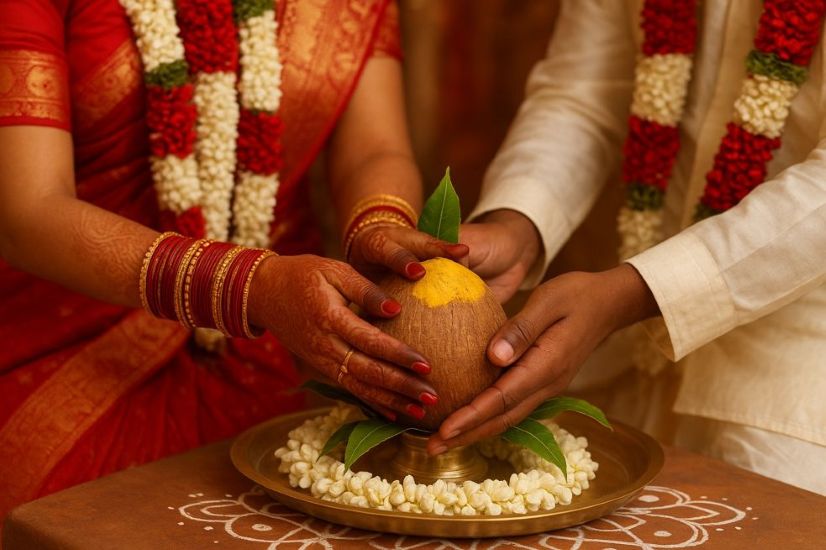
Subha Muhurtham dates / muhurtham days in a year 2026 & 2027
In Hindu culture, marriage is considered a sacred and lifelong spiritual bond, not just a social agreement. This deep-rooted belief is why many Indian Hindus prioritize selecting an auspicious marriage date and time, known as muhurtham. According to Vedic astrology, getting married during a favorable muhurtham helps attract positive energy, divine blessings, and long-term happiness in the couple’s married life. The idea is that when the wedding is aligned with powerful planetary positions, it sets the foundation for a successful and harmonious relationship.
Subha Muhurtham dates in January, February, March, April, May, June,
July, August, September, October, November andDecember month.
We have marked the Valarpirai Muhurtham dates separately in each month, for better identification.
To view the Subha Muhurtham dates for any calendar Year, please follow the below steps
- open the Web page https://calendar.tamildot.com/subha-muhurtham-dates
- Select the Calendar Year
- Press the Submit button to View the Subha Muhurtham date and timings
- Now all the Subha Muhurtham dates are displayed based on the month
- Valarpirai Subha muhurtham dates are marked seperately for reference
Muhurtham Timings and Dates in Hindu Tradition
The process of choosing a good wedding date in Hindu tradition involves detailed horoscope matching (kundali milan) of both the bride and groom. Astrologers examine zodiac signs, planetary movements, lunar phases, and other astrological factors to determine the most auspicious marriage timing. By avoiding inauspicious periods or doshas, couples can begin their marital journey under the most favorable conditions. Many believe that a well-chosen wedding muhurtham minimizes future obstacles and enhances compatibility, peace, and prosperity in the relationship.
Purpose of Muhurtham:
Muhurthams are auspicious timings selected for important ceremonies and events in Hindu tradition. They are believed to bring blessings and ensure the success of these occasions.
Astrological Factors:
Muhurtham timings are calculated based on the positions of celestial bodies, including the Sun, Moon, planets, and stars. Individual birth charts are also considered for astrological alignment.
Types of Muhurthams:
- Choghadiya Muhurtham: The day is divided into various Choghadiyas, each with its own characteristics, to find auspicious timings.
- Lagna Muhurtham: Determined by the rising sign on the eastern horizon at a specific time, Lagna is a crucial factor in Muhurtham selection.
- Weekday Muhurtham: Specific days of the week are considered auspicious for different activities. For example, Sunday is often chosen for weddings.
Popular Muhurtham Events:
- Weddings (Vivaha Muhurtham): Selecting an auspicious Muhurtham is of utmost importance for weddings.
- Housewarming (Griha Pravesham): Entering a new home at an auspicious time ensures a harmonious beginning.
- Naming Ceremony (Namakaran): The chosen Muhurtham is significant for a child's future.
- Business Ventures: Starting a new business during an auspicious Muhurtham is believed to ensure prosperity and success.
Dates based on astrologers
In addition to its spiritual significance, following auspicious wedding timings in Hindu culture is also a way of preserving tradition and honoring ancestral wisdom. It strengthens family bonds, as loved ones often come together to plan the wedding around the selected muhurtham. Even in modern times, Indian couples often seek the best wedding date and time to blend traditional values with contemporary celebrations by ensuring both cultural integrity and divine blessings for their new beginning.
People consult experienced astrologers or priests to determine the most suitable Muhurtham for their specific event. The choice may vary based on regional customs and individual preferences.
Flexibility:
Muhurtham timings can be quite precise, down to the minute. However, flexibility may be required based on practical considerations, venue availability, and other factors.
Muhurtham dates and timings are an integral part of Indian culture and traditions, ensuring that life events commence with positive energy and blessings. It is a practice that reflects the importance of astrology in Hindu rituals and ceremonies.
Muhurtham Dates – Frequently Asked Questions
1. What is a Muhurtham?
A Muhurtham is an auspicious time or moment determined according to Hindu astrology for starting important activities. It is believed that performing events during the right Muhurtham brings success, prosperity, and positive outcomes.
2. Why are Muhurtham dates important?
Muhurtham dates are important because they align activities with favorable planetary positions. Choosing the right time for weddings, housewarming, business openings, or ceremonies is believed to enhance success and reduce obstacles.
3. How are Muhurtham dates calculated?
Muhurtham dates are calculated using the Hindu Panchangam (calendar) considering factors such as Tithi, Nakshatra, weekday, Yogam, Karana, and planetary positions. Experts or priests often guide the selection of the best date.
4. What activities require a Muhurtham date?
Common activities where Muhurtham dates are observed include:
- Weddings and engagements
- Housewarming (Griha Pravesham)
- Business openings or shop inaugurations
- Religious ceremonies and poojas
- Starting construction or renovation work
5. Can I perform activities without a Muhurtham?
Yes, activities can be performed on any day, but choosing a Muhurtham is believed to maximize positive energy and success. It is a traditional practice rather than a strict rule.
6. Are Muhurtham dates the same for everyone?
Some general Muhurtham dates are suitable for everyone, but personal Muhurthams may vary based on individual horoscopes, family traditions, and the nature of the activity.
7. How long does a Muhurtham last?
A Muhurtham typically lasts about 48 minutes (1/30th of a day), although the exact duration can vary slightly depending on planetary calculations. The event should ideally be started within this period.
8. Which calendar is commonly used to find Muhurtham dates?
Muhurtham dates are commonly found in the Tamil calendar, Hindu Panchangam, or regional almanacs. These sources provide daily auspicious timings for various activities.
9. Can Muhurtham dates vary by location?
Yes, Muhurtham dates and timings can vary based on geographical location because sunrise, sunset, and planetary positions differ from place to place.
10. Where can I find monthly Muhurtham dates?
Monthly Muhurtham dates can be found in Hindu calendars, online Panchangam websites, astrology blogs, or by consulting astrologers and priests who provide detailed timings for weddings, housewarming, and other auspicious events.
This Article is written by Mrs. Kalavathi
Mrs. Kalavathi has over 35 years of experience in Tamil cultural traditions, calendar calculations, and spiritual observances. Specializing in Panchangam and auspicious date calculations, she has guided countless families in performing important events aligned with cosmic rhythms. Read more about Mrs. Kalavathi’s work.
